
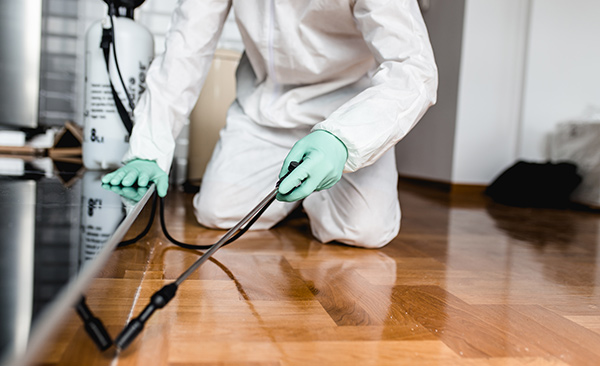
Pest control is an essential aspect of maintaining a healthy and safe environment, whether at home, in commercial establishments, or within agricultural settings. The presence of pests such as rodents, insects, and weeds can lead to significant damage, health risks, and economic losses. As populations grow and urban areas expand, the demand for effective pest management strategies has never been more critical. This article delves into the various methods and technologies available for controlling pests, highlighting both traditional and modern approaches.
Understanding the biology and behavior of pests is crucial for successful prevention and management. Integrated Pest Management (IPM) emphasizes a holistic approach, combining biological, mechanical, physical, and chemical tools to minimize pest populations while ensuring minimal impact on the environment and human health. By exploring the latest developments in pest control methods and providing practical tips, this article aims to equip readers with the knowledge they need to effectively combat pest problems and foster a pest-free environment.
Methods of Pest Control
Traditional pest control methods often include the use of chemical pesticides and traps, but many professionals now advocate for more sustainable approaches. Integrated Pest Management (IPM) integrates these traditional methods with modern practices, such as biological control, which relies on natural predators or parasites to manage pest populations. Additionally, modern technologies like pheromone traps and monitoring systems have become vital tools in keeping infestations at bay. Homeowners and businesses seeking reliable solutions can find the best pest control Newcastle services that utilize these innovative approaches, ensuring effective and environmentally friendly pest management.

Preventive Measures and Best Practices
Preventing pest problems is often more effective and less costly than dealing with an infestation. Simple practices such as sealing entry points, maintaining cleanliness, and properly storing food can significantly reduce the likelihood of pests infiltrating a space. Regular inspections and monitoring can help identify potential threats before they escalate, making it easier to implement targeted interventions. For agricultural settings, crop rotation and selecting pest-resistant plant varieties can enhance resilience against pests, further contributing to long-term management strategies. By adopting a proactive stance and combining various techniques, individuals and businesses can promote a healthy environment less susceptible to pest-related challenges.
In conclusion, effective pest control requires a multifaceted approach that blends traditional techniques with modern innovations, emphasizing prevention and sustainability. By understanding pest behavior and implementing Integrated Pest Management strategies, individuals and businesses can significantly reduce the risks associated with infestations. The key to a pest-free environment lies not only in reactive measures but also in proactive planning and consistent maintenance. As we face ongoing challenges from evolving pest species and changing environmental conditions, staying informed and adaptable will be essential for successful pest management. Ultimately, fostering a harmonious balance between human needs and ecological integrity not only safeguards our spaces but also contributes to a healthier planet for future generations.
About The Author


